
What to know before you sell 3D printed products.
Notes from our workshop, without jargon: what a part costs, which material to choose, how to prepare a file, what margin to expect on an Etsy or Shopify store.
Selling18 September 2026 5 min
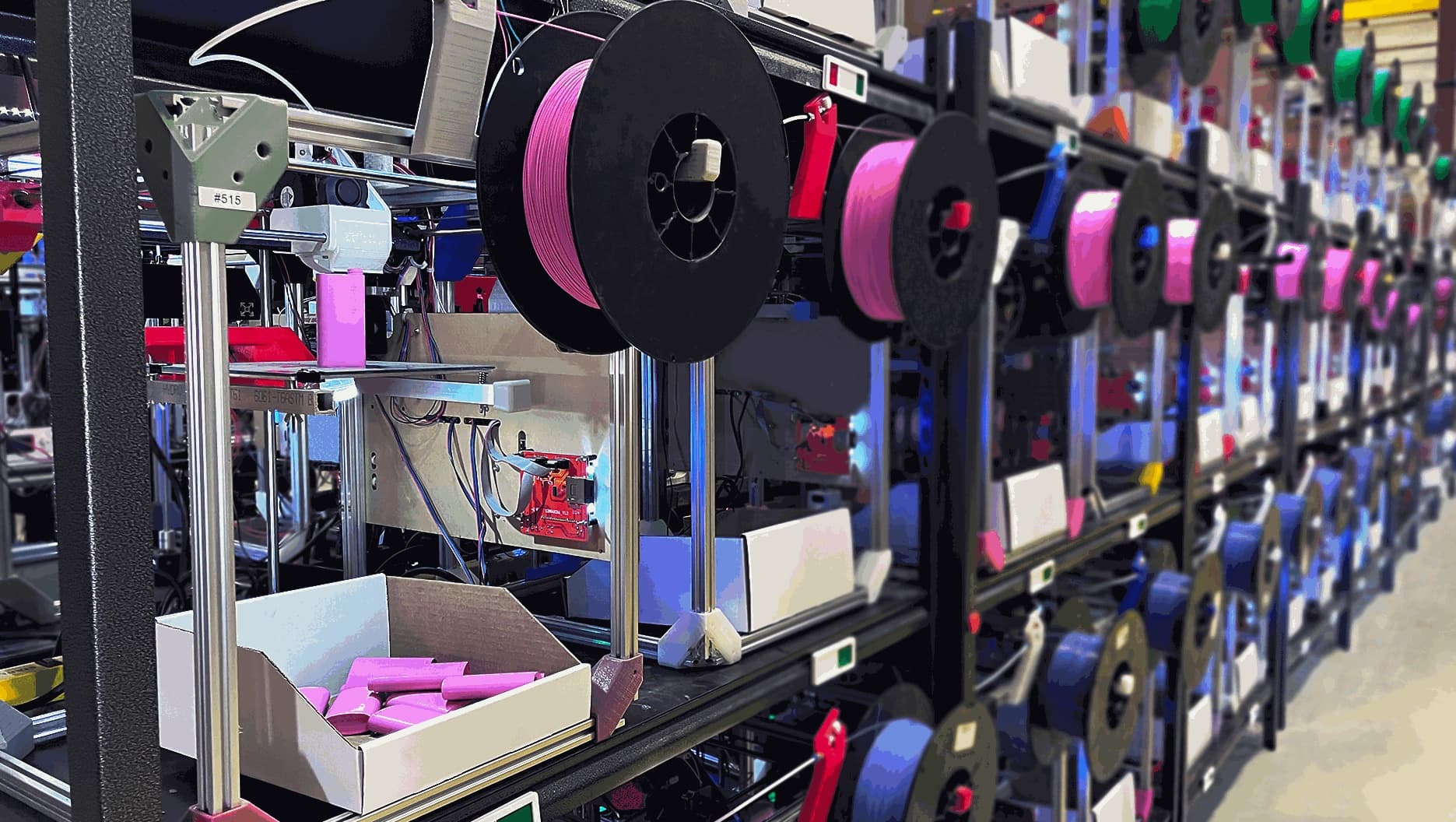
Selling 3D printed products without buying a printer
Buying a 3D printer to sell online means buying a workshop, not a product. There is another path: hand production over to a workshop that prints per part and ships directly to your customers. Here is how this model works, what it costs and what it changes in your day.
Read the article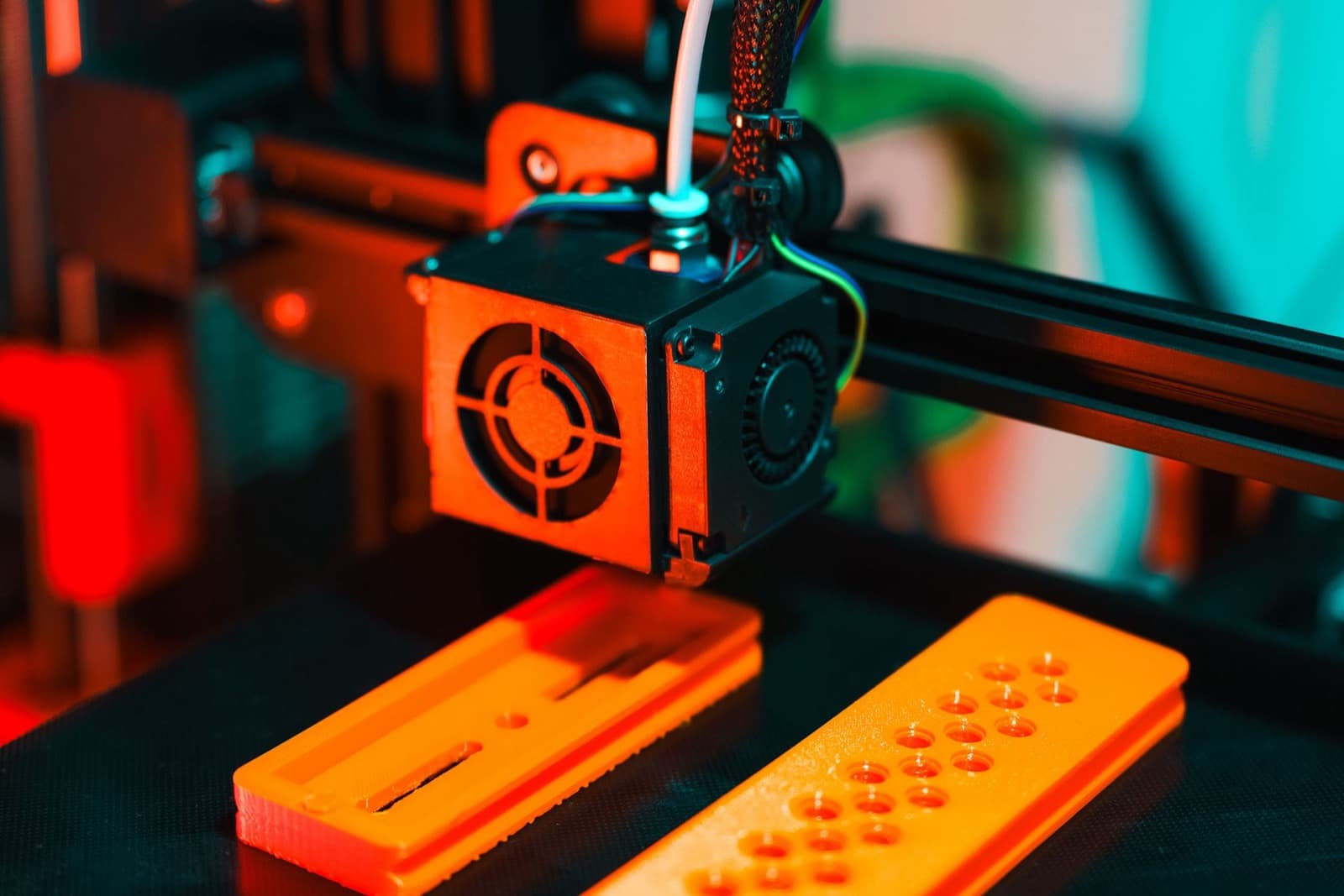
Production 4 min
On-demand 3D printing: how it actually works
On-demand 3D printing, in practice, means a file goes out and a package arrives at your customer's door. In between, there is an order, a workshop, an inspection and a shipment. Here is each step, with the real figures and constraints.
Read
Costs 5 min
How the price of a 3D printed part is calculated
There is nothing mysterious about the price of a 3D printed part: it is a fixed setup fee plus material by volume. Everything else, discounts, express, shipping, comes on top and can be planned for. Here is the full calculation, with a worked example from start to finish.
Read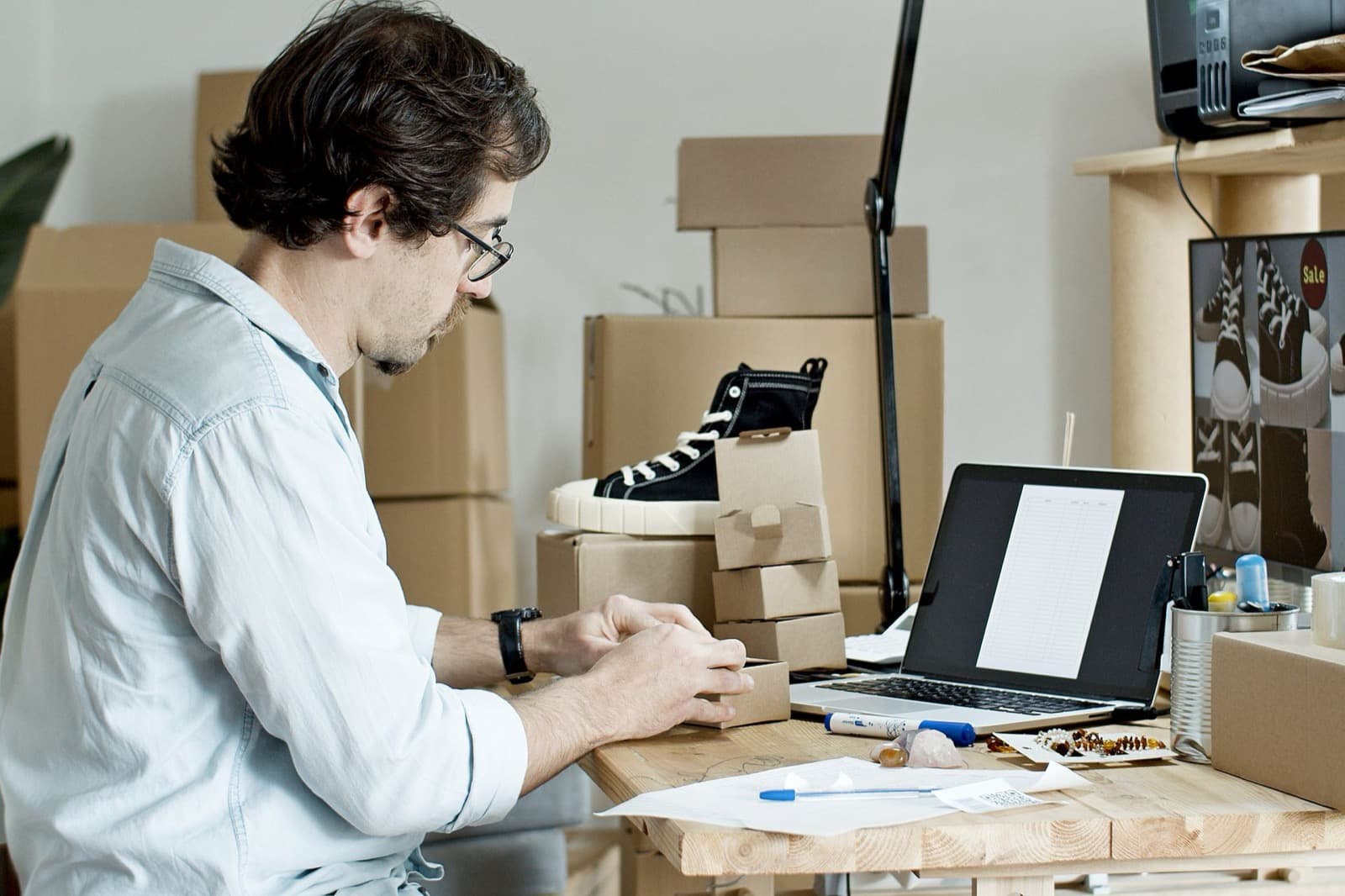
Costs 5 min
How to calculate your real margin on a 3D printed product
The margin in a spreadsheet almost always looks better than the margin you actually collect. Between the production cost and what ends up in your account, there is shipping, the platform fee, VAT and a few returns. Here is how to set up the full calculation, using a real example.
Read
Selling 5 min
Selling 3D printed products on Etsy: a practical guide
Etsy is still the first choice for sellers launching a 3D printed range: an audience looking for made objects, product listings that are easy to publish, no website to build. What remains is choosing a sustainable niche, writing honest listings and knowing who prints while you sell.
Read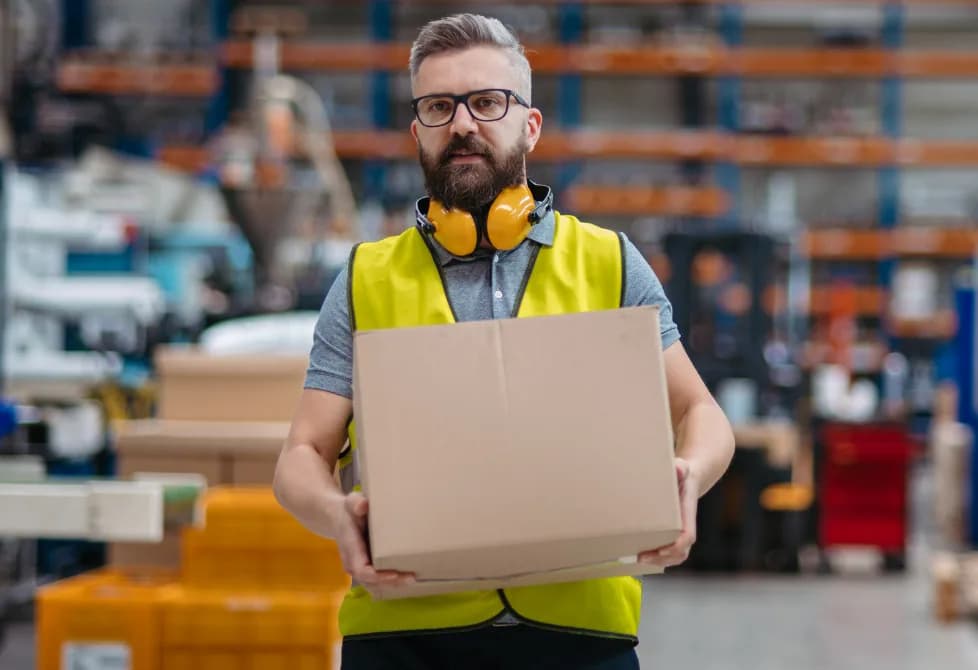
Selling 6 min
3D printing dropshipping: made in France, shipped to your customers
Dropshipping has a bad reputation, and often for good reason: three weeks of waiting, a surprise customs bill and an object that looks nothing like the photo. Producing on demand in France changes all three. Here is how direct shipping from a French workshop works, and what you need to tell your customer.
Read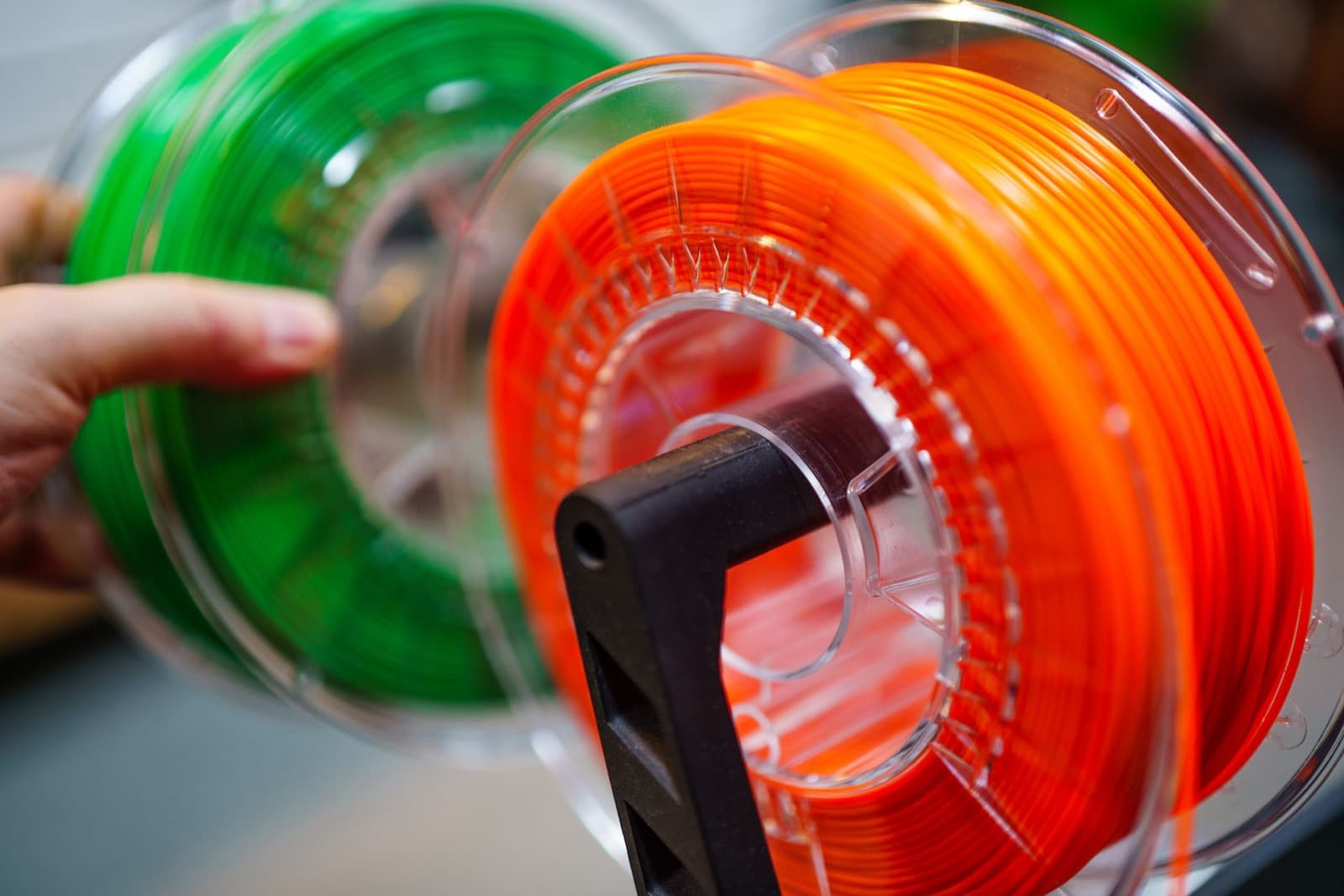
Materials 6 min
PLA, PETG or ABS: which material for your product
Three materials cover nearly all the 3D printed products sold online. The choice is not made on a data sheet, but on what your customer will do with the object: where they put it, at what temperature, with what impacts. Here is how to decide without spending the week on it.
Read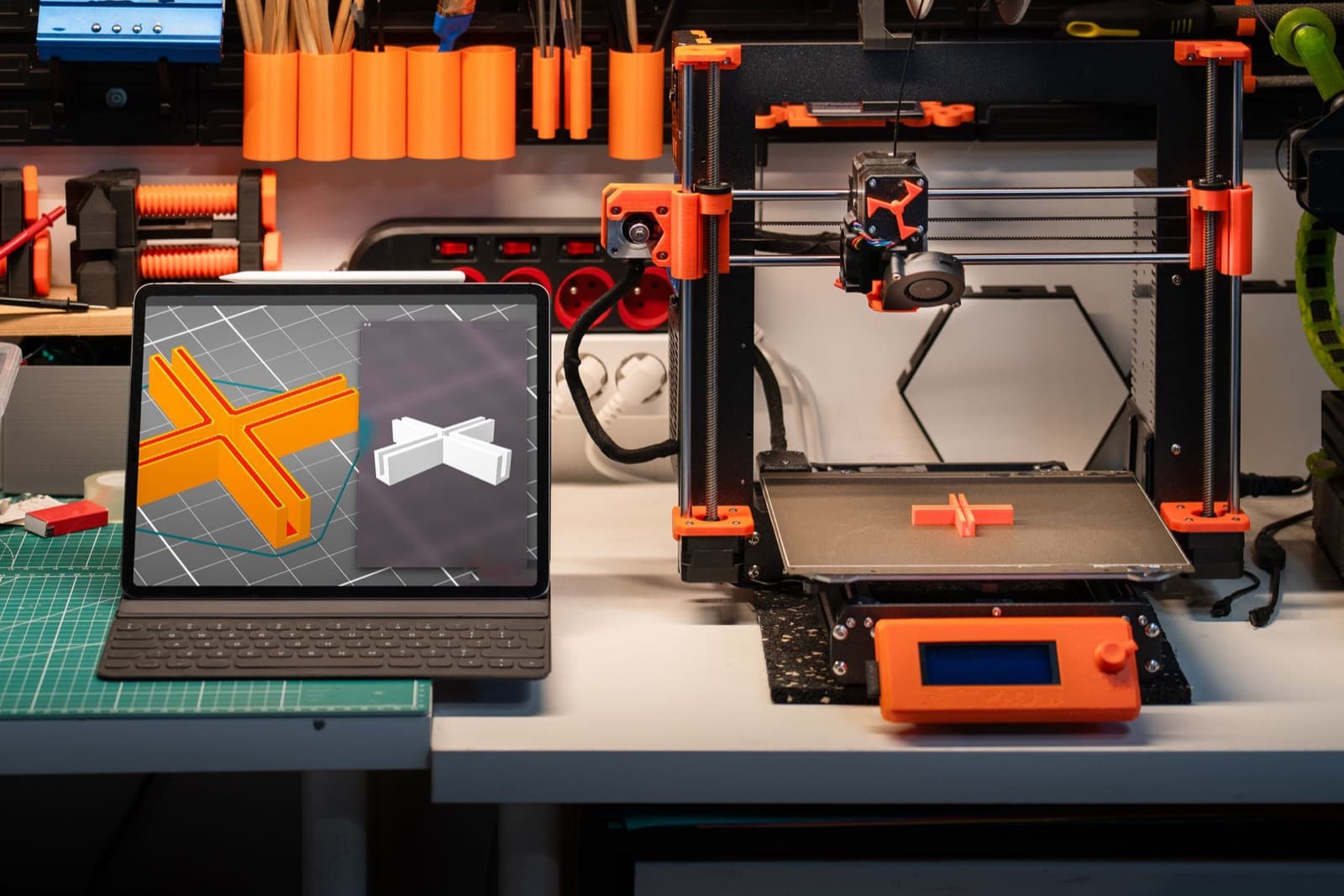
Files 6 min
Preparing a print-ready STL file
A clean file goes into production the same day; a flawed file comes back to you with questions and costs several days. The good news is that the list of points to check is short and always the same. Here is what to verify before sending an STL.
Read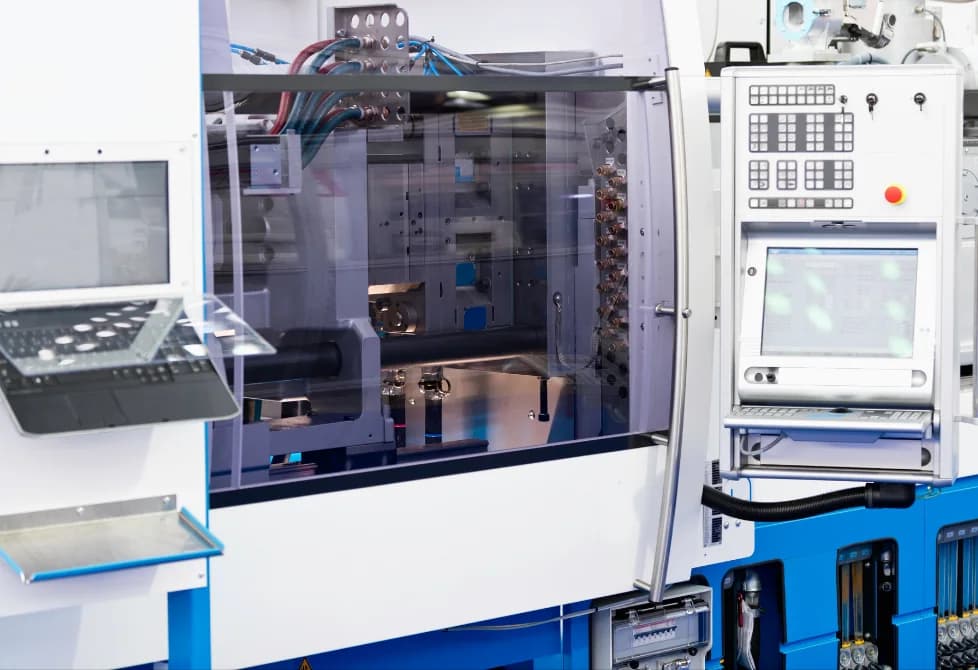
Production 6 min
3D printing or injection molding: when to make the switch
3D printing lets you launch a product without spending a single euro on tooling. Injection molding requires a mold, but it brings the price per part down sharply once volumes are there. The real question is not which one is better, but at what point your product should switch sides.
Read
Files 6 min
Create a 3D product with AI and have it printed
Describe an object in three sentences and get a 3D model back: it is possible today, and it is the fastest way to get an idea out of your head. You still need to know what generation gets right, what it gets wrong, and what to check before sending the file to production.
Read